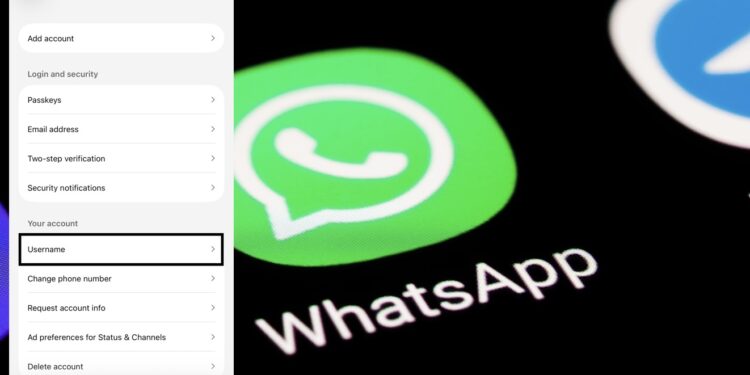
India has asked Meta (WhatsApp’s parent company) to pause the rollout of a new username feature and to explain its safeguards, due to concerns about fraud and identity theft. India’s IT ministry directed WhatsApp not to launch the feature in India until official consultations are complete and asked Meta to provide a detailed explanation within three days.
The feature, which lets users pick unique handles so others can message them without seeing their phone number, was announced globally on June 29, 2026.
[ALSO READ: WhatsApp Rolls Out Usernames to Let Users Chat Without Sharing Phone Numbers ]
Meta has responded that the WhatsApp username feature is still in testing and not live in India, noting that multiple layers of security and privacy controls are built in.
Indian government’s concern about the WhatsApp username feature
The Indian government notice expressed that moving away from phone-number IDs could “materially increase the incidence of online fraud, phishing, digital arrest scams and identity theft attacks”.
The government specifically warned that the feature “may facilitate impersonation and identity spoofing, including impersonation of individuals, public authorities, financial institutions, and government agencies” by allowing adoption of usernames very similar to genuine ones. It cited India’s IT Rules and sections of the IT Act related to intermediary liability to reinforce that platforms have to prevent such abuses.
In sum, the ministry “felt that the feature may materially increase” fraud and abuse, and directed WhatsApp to halt the rollout “to the satisfaction of the Government” until it handles these concerns. Government sources confirmed Meta has been asked to furnish a detailed technical explanation within three days.
Meta/WhatsApp’s response
WhatsApp has defended the username feature as an optional privacy enhancement. A WhatsApp spokesperson asserted that the username system is not yet live in India and that users still require a phone number to use WhatsApp.
Meta says it has already reserved high-profile and official names (like those of governments, celebrities and verified accounts) to prevent blatant impersonation. For example, it held “the highest-profile names… so they can only ever be claimed by their legitimate owners, and lookalike derivatives of known names are held as well”.
The company also says other users will need to know your exact username to message you, blocking unsolicited contacts. WhatsApp will limit how many new people an account can contact and will block repeated guesses of usernames or username keys. In addition, when a first-time message arrives via a username, WhatsApp will inform recipients if the sender is a new account, already in their contacts, has common group memberships, or is based in another country. These measures, it says, are designed to alert users to possible scams. WhatsApp stressed that the username feature is intended to “strengthen user privacy… by eliminating the need to share phone numbers” when contacting new people.
Meta’s position is that the username feature will roll out “slowly later this year” and that it has already built “multiple layers of defence against scams” into the design. A spokesperson reiterated: “The ability to use a username is not yet live and will roll out slowly later this year… Users still require a phone number to use WhatsApp, and we’ve built multiple layers of defence against scams into usernames”.
Industry experts say the core issue is the change in how user identity is managed. Phone numbers have long been a de-facto identity anchor on WhatsApp, verified via telecom networks. Moving to platform‐managed usernames means losing that inherent verification, experts warn.
Startup founders and cybersecurity professionals have urged that robust identity checks (such as linking usernames to phone numbers internally or stronger verification for public figures) be put in place to prevent lookalike scams.
India’s scrutiny of WhatsApp’s usernames demonstrates a broader regulatory theme. It follows recent action against other apps: for instance, authorities challenged Telegram over its anonymity features and temporarily blocked it earlier in 2026. Indian regulators successfully argued that Telegram’s username-only contacts and hidden numbers “created enforcement obstacles” and could aid illegal activity.
WhatsApp’s 3 billion+ worldwide user base (with roughly half a billion in India) means any change has a massive impact.
For now, no permanent ban is in place – the WhatsApp username feature is simply on hold in India pending review. Meta has been asked to respond to the notice within a tight deadline (July 4, 2026) and to work with authorities on any needed mitigations. Depending on that dialogue, India could require technical changes, impose additional regulations, or, in the worst case, restrict the feature.
[ALSO READ: 59% of Indian organizations faced financial fraud: PwC survey ]