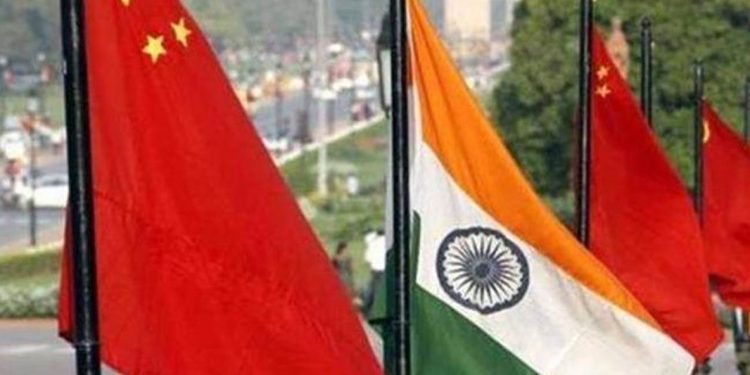
India’s trade dealings with China date back to over 2000 years ago. Around 14% of material sources are being imported from China, which almost involves tech, non-tech materials and every basic household item, to nuclear reactor components. Components from Nuclear reactors, machinery, boilers, chemicals, mobile gadgets, decoration accessories, travel gadgets, and fashion hacks, and many more are all imported from China. India’s progress to become a self-reliant economic country is a long road. With the current pandemic situation, Manufacturing and Sourcing are becoming difficult day by day. To find an alternative source for all the necessary materials is definitely very competitive.
Government regulations to import material from China
The state-run Bureau of Indian Standards (BIS) is formatting tougher norms for 370 items to ensure that products are locally produced and not imported. The trade ministry has evaluated non-traffic measures like more inspection, quality certification requirements, and product testing to examine Chinese imports following the World Trade Organization (WTO) rules.
The new rules and regulations are being finalized by India’s ministry to ensure that imported goods obey India’s norms of quality. The new law will eliminate clandestinely shipped in cheap and low-quality imports. Once the new regulations are finalized and strictly implemented, sub-standard products will stop coming to the market.
What does India save because of importing raw materials from China?
Many factors are saved because of importing from China. From a reasonable financial saving, high margin quality, and faster growth, we sum up plenty of positive savings with importing raw materials and tech sources from China. There are plenty of chances to earn higher than what you spend on importing the sourcing materials. There is no fear of losses when your expenditure on manufacturing is comparatively lesser.
An unknown fact about importing materials is that importing also contributes to sustainable progressive innovation. There mighty be trigger warning that importing paves the way for unemployment and improper usage of available resources – but without a proper balance in bringing a stable economy, the best source will be to import materials from other countries.
Developing Nations find Importing the best way to balance the unavailability of materials and growing exploitation in the country.
What does India lose because of Importing from China?
Indian Prime minister’s Atma Nirbhar Bharat plans are still in infancy and production cannot just start right away the project has been started. Indian industries are struggling in finding an alternative to Chinese imports in the face of cost competitiveness which remains a herculean task for a long time now.
Rising complete barriers to china imports, Indian industries, and people end up increasing the costs for capital, consumer, and intermediate goods on a surplus ratio. India might lose policy credibility and certainty, in case the situation continues. If policies and rules are changed overnight or if the taxes are increased, no investor will invest and more demand for products will be increasing risks.
What if India stops importing tech material from china?
Chinese investment in Indian tech space has seen a massive spike in recent years. Chinese tech investments about $4 billion in Indian startups estimated by Indian Council on Global Relations. Alibaba Group and Tencent Holdings have high investments in Indian companies such as Paytm Mall, Snapdeal, Zomato, Flipkart, Ola, Swiggy, and so on.
Many firms have both Indian and Chinese owners, immediate ideas of rhetorical boycott calls affect the relationship. India has a large market for Chinese electronics goods, especially smartphones. In the total china imports, 10% belongs to electronic machinery and the Indian boycott of electronic goods might make a big impact on India, not China.
India is still reliant on Chinese industries for power controls, motors, batteries, and sensors. All these spare parts are key to the Indian automotive industry, if this situation runs for long they face the risk of running out of inventory. This will affect sales and overall revenue.
The barrier of cheaper capital goods would push up manufacturing costs and make items costlier, affecting poor consumers. The Indian government is currently engaging with the stakeholders and industrialists to get details of the emerging opportunities and are trying to figure out ways to quickly encash on it.
Stopping the importing of tech materials will reduce the sales of electronic items by 20-30%. Sources say that almost 90% of the technical parts for mobile phones and other electronic gadgets are imported from China. The Current pandemic has left the countries overworld with no options but to stop the transport of goods thereby lessening the import/export of sourcing materials.
Stopping the dependency on China for the raw materials, cannot just happen overnight. We should have an ecosystem prepared, educate our engineers, and source the necessary raw materials from other alternatives. And then maybe, there might be chances for us to start producing our tech gadgets on the whole.