Trust in cybersecurity vendors is under pressure, according to Sophos’ 2026 report, ‘The Cybersecurity Trust Reality in 2026. The study is based on a vendor-agnostic survey of 5,000 IT and security leaders across 17 countries, conducted by Vanson Bourne. Many organizations rely on security vendors for critical protection, yet still do not fully trust them.
Key findings
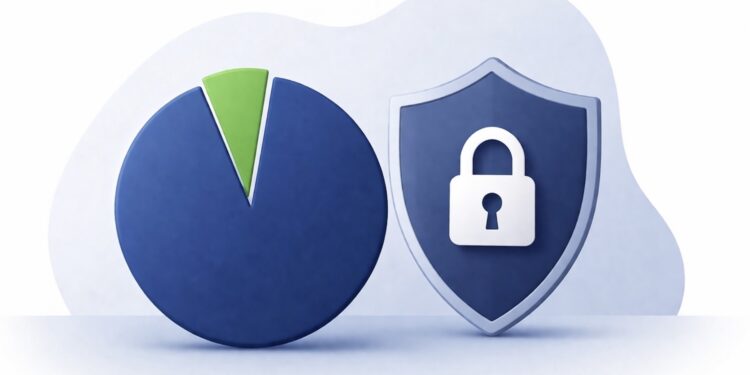
only 5% of IT leaders said both they and their organization have full trust in their cybersecurity vendors. That is not a marginal problem. It suggests that confidence in the vendor market is low even among professionals who buy, deploy and manage these tools every day.
The report also shows that trust problems begin long before a contract is signed. According to Sophos, 79% of organizations said it is difficult to assess the trustworthiness of new cybersecurity vendors or partners, and 62% said the same about vendors they already use. In other words, the trust gap is not only about performance after deployment. It starts with evaluation.
Sophos’ findings point to a second, more practical issue: many buyers are trying to judge vendors using incomplete or hard-to-verify information. Nearly half of respondents said vendor information was not factual or detailed enough. Others said the material was hard to interpret, conflicting, or simply difficult to find. That is a useful signal for the market: cybersecurity trust is being judged less by branding and more by evidence.
The report says 51% of respondents feel more anxious that their organization could suffer a significant cyber incident when trust is lacking. 45% said low trust makes them more likely to switch vendors, while 42% reported increased oversight requirements. This adds friction to security operations at a time when teams already have enough work.
Trustworthiness is difficult to assess
One of the clearest themes in the report is that cybersecurity trust is hard to measure from the outside. Buyers want proof, not claims. They want to know whether a vendor has mature security processes, how it handles vulnerabilities, and whether it communicates clearly during incidents.
The report shows a split between operational teams and leadership as well, 78% of respondents said IT teams and senior leadership or the board disagree on the trustworthiness of their cybersecurity vendors. Nearly one-third said that disagreement happens often. That kind of mismatch can slow procurement, complicate renewals and create tension after security incidents.
Sophos found that senior leadership remains heavily involved in cybersecurity purchasing decisions, with only 1% of organizations saying the board or senior leadership plays no role. That means trust is not just a technical issue handled by security teams. It is a board-level question, too.
How to build cybersecurity trust
According to the report, trust is built through visible evidence; the strongest driver across both leadership and IT teams was “verifiable artefacts indicative of cybersecurity maturity.” In plain language, that means proof points such as bug bounty programs, public trust centers, vulnerability advisories with remediation details, third-party assessments and certifications.
Transparency during incidents also matters. Sophos ranks timely communication and disclosure as one of the top trust drivers, especially for senior leadership. That makes sense: when a vendor has a security problem, silence is often more damaging than the issue itself. Clear updates, documented remediation and accountability help preserve confidence.
For vendors, that means trust cannot be treated as a marketing message. It has to show up in documentation, disclosure habits, support processes and product security posture. For buyers, it means procurement needs to look beyond feature lists and into the evidence behind the claim.
Drivers of trust in cybersecurity vendors
The report ranks the main trust factors differently for senior leadership and IT teams, but the pattern is consistent. Verified maturity evidence leads the list, followed by transparency in incidents and disclosures. Consistent service quality, strong performance in analyst reports, independent test results, responsive support and internal security transparency all play a role.
For IT and security teams, independent test performance and support responsiveness matter more than they do for leadership. For executives and boards, public credibility signals such as analyst recognition and expert commentary carry more weight. That split is important because cybersecurity buying is often a joint decision, and each side is looking for different proof.
The practical takeaway is clear. In 2026, cybersecurity vendors are being judged less on promises and more on proof. The companies that publish clear remediation details, explain incidents quickly, and make their security posture visible are more likely to earn trust. The ones that do not may still win deals, but they will do it in a market that is increasingly sceptical.
View or Download Sophos Cybersecurity Trust Reality in 2026 Report.