
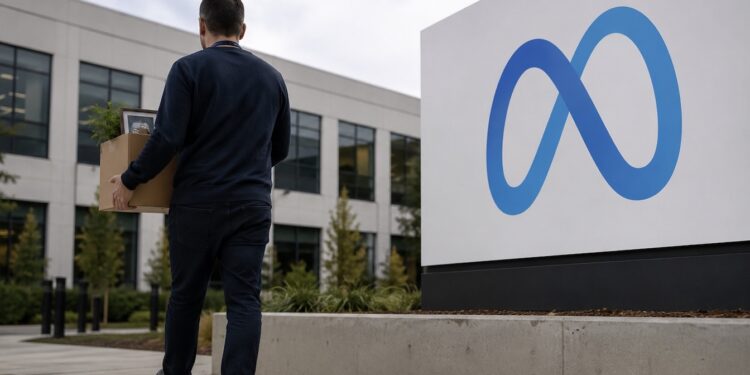
Former Meta employees have accused the company of using AI-powered tools to identify workers for layoffs, and a US district judge in Oakland has declined to temporarily block the job cuts while the case moves forward.
According to Reuters, the plaintiffs are 26 current and former Meta employees, and the layoffs are scheduled to begin on July 22, 2026.
The case is about whether AI-assisted systems can be used to pick employees in a way that may disadvantage workers who were on medical, parental, family or other protected leave.
About Case
Meta announced a major workforce reduction in May 2026, cutting about 10% of its staff, or roughly 8,000 jobs. The employees who later sued say the Meta internal AI systems were part of the process used to rank and select people for layoffs.
[ALSO READ: Meta Reveals Details of May 20 Workforce Restructuring in Internal Memo ]
On July 14, the 26 plaintiffs filed their lawsuit in federal court in Oakland, California. They seek emergency relief from the court to stop the layoffs. Employees say Meta used tools such as its internal AI assistant, Metamate, productivity metrics, and other monitoring systems during the layoffs process.
On July 17, Judge William Orrick declined to issue the temporary order. He said the plaintiffs had not shown the level of irreparable harm needed for emergency relief, but he also said they had raised serious questions about whether AI may have played an unlawful role in layoffs.
Why are former employees suing Meta?
Reuters reported that the workers say Meta’s systems penalized employees who had disabilities, took medical leave, or were on parental or family leave. The claims include alleged violations of the Family and Medical Leave Act and the Americans with Disabilities Act.
The plaintiffs argue that AI may have been used in a way that produced a discriminatory result. In legal terms, that is important because an algorithm can still create a biased outcome even if no one says the system was intended to discriminate.
The employees were seeking to preserve salary, stock compensation and health coverage while the case proceeds.
What did the judge say?
Judge Orrick did not decide whether Meta’s AI systems were discriminatory. He only decided that the plaintiffs had not met the standard for an emergency injunction that would freeze the layoffs immediately.
The judge did not dismiss the case; he said the employees had raised “serious questions” about whether AI may have played an unlawful role in selecting employees for layoffs. The judge indicated that they could revisit if stronger evidence emerged.
[ALSO READ: How Meta and YouTube Harmed Young Users, According to Landmark Court Ruling ]
Meta’s response
Meta denies the allegations. According to the media report, Meta said human managers, not AI, made the layoff decisions. Meta also said the claims lack merit.
If Meta can show that AI tools were only advisory, and that managers independently made the layoffs decision, its legal exposure may be reduced. If the plaintiffs can show that AI rankings materially shaped who was selected, the case would become more serious.
[ALSO READ: Meta’s “No More Layoffs” Message Still Left Employees Nervous ]
How AI can get involved in layoff decisions
This case shows the most obvious risk in AI-assisted workforce management. A system that measures activity, productivity or usage may not understand protected leave. A worker on medical leave or parental leave can appear less active than a peer who is physically present, even if that lower activity should not count against them. Reuters said the plaintiffs claim Meta used productivity scores and AI token-usage signals in the layoff selections.
For the tech industry, the case is a warning that AI in HR is no longer an efficiency tool. If companies use internal models, productivity scores or work-assessment systems to help decide who stays and who goes, they will need clear safeguards for protected leave, disability and other legally sensitive categories.