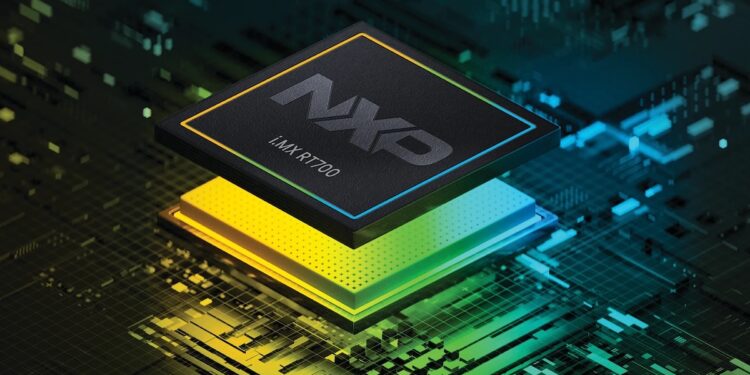
NXP Semiconductors has officially unveiled the S32N7 super-integration processor series, a new central compute platform designed to accelerate the transition to software-defined vehicles (SDVs). The announcement was made at CES 2026. The S32N7 series is built on a 5 nm process technology, following NXP’s existing S32N55 lineage, with enhanced compute, connectivity, and AI acceleration tailored for automotive core functions.
The S32N7 series is engineered to consolidate software and data into a single centralised hub at the core of the vehicle, with uncompromising safety and security. With the S32N7, carmakers can make the vehicle’s structure much simpler.
NXP claims that by consolidating multiple processors and systems into the S32N7, automakers can reduce total cost of ownership (TCO) by up to 20% through fewer hardware modules and simpler wiring and software infrastructure.
Bosch is confirmed as the first implementation partner for the S32N7 series, integrating it into its vehicle integration platform. The collaboration includes joint reference designs, safety frameworks, hardware integration support, and early access to ECU samples for OEM developers.
By centralising intelligence, carmakers can use AI technology throughout the whole vehicle. This helps companies add smart features, such as personal driving experiences, early warnings for needed repairs, and digital sensors. The S32N7’s strong data system also makes it easy to upgrade to new AI chips in the future, without needing to redesign the whole vehicle. This keeps carmakers flexible and competitive.
“Our new S32N7 processor series redefines mobility by unlocking innovation well beyond infotainment and autonomy – deep into the core vehicle functions,” said Robert Moran, Vice President Automotive Processors at NXP. “For OEMs, it means simplification and measurable cost savings. For drivers, it means an experience so intuitive that the vehicle anticipates their every need.”
The S32N7 series comprises 32 versions, allowing carmakers to select the right one for each application. These chips offer fast computing, strong networking, and special hardware to keep systems safe and separate. They also help speed up AI and data tasks, all in one chip. The S32N7 meets the strict safety and timing needs of car control systems and helps carmakers build smarter, more advanced vehicles for the future.
Also Read: Driving India’s digital revolution: Top 5 trends shaping the storage systems