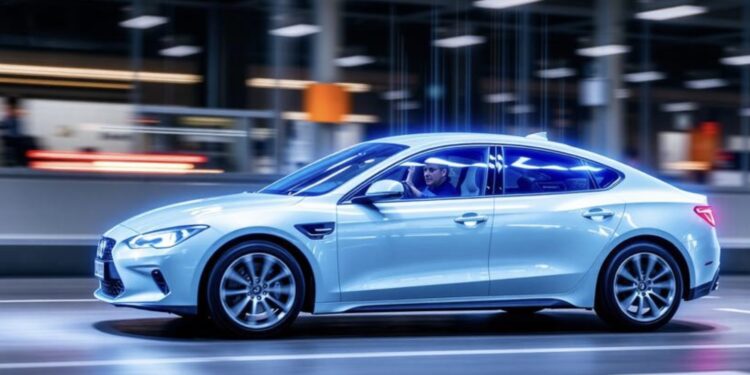
For much of the past five years, the dominant narrative around India’s automotive future has revolved around electric vehicles: charging infrastructure gaps, battery costs and policy incentives. A large majority of Indian car buyers say they are willing to pay for software-defined vehicle (SDV) capabilities, according to the 2026 Deloitte Global Automotive Consumer Study, India, highlighting a structural shift in how mobility value is perceived in one of the world’s fastest-growing automotive markets.
The study, based on responses from 1,501 consumers of driving age, found that about 95% of Indian respondents indicated willingness to pay for SDV features such as safety systems, security services and continuous vehicle-health monitoring, aspects typically enabled through connected digital platforms rather than traditional mechanical components.
Connected, Service-Driven Value Rising
Industry-wide, the rise of software-defined vehicles, where much of the vehicle’s functionality is delivered or enhanced through software updates, subscriptions and cloud-connected services, has served as a focal trend among major automotive manufacturers. In India, the Deloitte findings show that consumers are set to accept this model if it improves reliability, connectivity and safety.
The findings show that buyers increasingly view vehicles as upgradable digital frameworks rather than fixed mechanical products. 81% of respondents described SDVs as helpful to own and use. And approx 84% showed openness to AI-enabled customisation features.
Safety and Trust Are Core Drivers
The survey emphasizes that safety, security and trust are emerging as leading drivers for connected mobility adoption. Data shows that people prioritised protective and monitoring capabilities over purely convenience-oriented digital features.
At the same time, there is caution around data governance. The study reports that 73% of respondents are concerned about disclosing personal device data, and 72% are wary of sharing vehicle location data. This tension, willingness to adopt digital vehicle services but insistence on control and transparency, may shape product design and regulatory systems in the coming years.
These figures indicate elevated consumer anticipations for transparency, governance and responsible handling of connected-vehicle data, issues that are able to shape how automakers and technology partners design and market SDV offerings.
Consumers Still Value Physical Channels
Despite strong interest in digital features, traditional physical touchpoints remain important in the purchase and ownership journey. Nearly 58 % of participants said they trust authorised dealerships most when making buying decisions, and India showed one of the highest levels of reliance on dealer-based vehicle servicing among markets covered by the study.
This suggests that, even as digital research and online channels dominate early decision-making, physical presence and service networks continue to play a crucial role in consumer confidence and brand choice.
Brand Loyalty Weakens as Features Matter More
Another notable finding is brand fluidity. 70% of respondents said they are open to switching vehicle brands, and 38% reported having already switched to improve features. This suggests that software capabilities, not just engine performance or price, are progressively influencing competitive status.
Wider Behavioural Shifts in the Indian Auto Market
A considerable 79 % expressed interest in buying insurance directly from manufacturers, suggesting growing acceptance of direct-to-consumer mobility models.
On the powertrain side, internal combustion engine vehicles stay dominant in next-purchase intent, though hybrids are emerging as the preferred transition technology. Battery electric vehicle adoption intent shows steady interest but continues to be shaped because of concerns regarding charging infrastructure, charging time and battery lifecycle issues.
Price expectations also reflect a broad middle-market demand profile: over three-quarters of consumers said they would be willing to spend up to ₹25 lakh (about USD 30,000) on their next vehicle, with particular growth in the ₹5–10 lakh price bracket, indicating sustained demand for accessible but feature-rich mobility.
The Deloitte Global Automotive Consumer Study findings place India among the most receptive global markets for software-led automotive transformation, ahead of several mature markets where consumers have been slower to prioritise software features over traditional performance metrics.